Introduction
Ever feel completely drained after lunch and need like three coffees just to survive the afternoon? Or scroll through TikTok seeing a million different food opinions, wondering who’s actually legit? Maybe you want to eat healthier but think it means living on boring chicken and depressing salads forever.
Here’s the truth. A good guide to healthy foods isn’t about bland or restrictive eating. It’s about finding foods that actually fuel your body and learning how to make them taste fire.
This guide to healthy foods breaks down the essential food groups that boost your energy, strengthen your immune system, and keep you feeling good long-term. You’ll learn practical ways to build meals that actually hit, discover the most nutrient-packed options that don’t suck, and make better choices without overthinking everything. Whether you’re just starting out or leveling up your current routine, these strategies will help you eat well and genuinely live better. Let’s explore how the right foods can change not just your meals, but literally how you feel every single day.
The Foundation: Whole Foods Over Processed Stuff
Whole foods are basically the MVPs of nutrition. These are foods that look pretty much like they did in nature—minimally processed and free from weird artificial additives. Think fresh vegetables, whole grains, lean proteins, and healthy fats.
When you choose whole foods, you’re giving your body nutrients it can actually recognize and use. Your digestive system evolved to handle these foods, pulling out all the vitamins, minerals, and energy they contain. Processed foods? They’re often loaded with added sugars, excessive sodium, and preservatives that can tank your energy and leave you feeling awful.
Start by filling half your plate with vegetables and fruits at each meal. Choose brown rice instead of white, steel-cut oats over those instant sugar packets, and actual chicken instead of mystery nuggets. These simple swaps dramatically boost your nutrient intake without requiring master chef skills.
Shop the outer edges of the grocery store where fresh produce, dairy, and proteins hang out. The middle aisles? That’s where most processed junk hides. When checking ingredient labels, if you can’t pronounce something or the list is ridiculously long, that’s your red flag. Whole foods don’t need complicated ingredient lists because they literally are the ingredient.
Meal prepping might sound extra, but it’s honestly clutch. Spend an hour on Sunday chopping vegetables, cooking some protein, and portioning out snacks. Future you will be so grateful when hunger hits and everything’s ready to grab. This approach makes healthy eating convenient, which is half the battle when you’re balancing school, work, social life, or all three.
The best part? Whole foods actually taste incredible when you season them properly. Experiment with spices, herbs, garlic, and lemon. You don’t need fancy ingredients—just real ones prepared well.
Protein: Building Blocks for Strength and Staying Full
Protein is essential for repairing your muscles after workouts, building strength, and keeping you full between meals. Without enough protein, you’ll be constantly hungry, potentially lose muscle, and your immune system gets weaker.
Quality protein sources include omega-3-rich fish like salmon and sardines, lean beef, chicken, turkey, eggs, and plant-based options like lentils, chickpeas, tofu, and quinoa. Each serving should be roughly the size of your palm, giving you about 20-30 grams per meal.
Fish provides protein plus essential fatty acids that reduce inflammation and support brain function—super important when you’re studying for exams or working demanding shifts. Aim for two servings weekly. Eggs are incredibly versatile and contain all nine essential amino acids your body can’t make on its own. They work for literally any meal, from breakfast scrambles to ramen upgrades.
Plant-based proteins offer fiber alongside protein, which helps digestion and keeps your blood sugar stable. Mix different plant proteins throughout your day to make sure you’re getting all the amino acids you need. Greek yogurt and cottage cheese are solid dairy options that also give you probiotics for gut health.
Spread protein across all your meals instead of loading up at dinner. This steady supply supports your muscles, metabolism, and energy levels consistently from morning through night. Your body can only process so much protein at once, so spacing it out just makes sense.
Protein shakes can be convenient when you’re rushing between classes or hitting the gym hard, but whole food sources are usually better. They come with other beneficial nutrients and keep you fuller way longer than just drinking your calories. Plus, chewing actual food is more satisfying than chugging a shake.
Don’t stress if you’re vegetarian or vegan. Plant proteins are totally valid. Just mix your sources—beans with rice, hummus with whole grain pita, or peanut butter with whole wheat bread. These combos create complete proteins that give you everything you need.
Colorful Vegetables: Nature’s Multivitamin
Vegetables deliver an incredible range of vitamins, minerals, antioxidants, and fiber without packing on calories. The more colors on your plate, the wider variety of nutrients you’re getting. It’s basically like collecting different power-ups in a video game.
Dark leafy greens like spinach, kale, and Swiss chard provide iron, calcium, and vitamins A, C, and K. Cruciferous vegetables like broccoli, cauliflower, and Brussels sprouts contain compounds that support your body’s detox processes and may reduce cancer risk. Orange and red vegetables like carrots, bell peppers, and tomatoes are loaded with beta-carotene and lycopene, powerful antioxidants that protect your cells from damage.
Aim for at least five servings daily, with one serving being about one cup raw or half cup cooked. Mix raw and cooked to maximize nutrient absorption. Some nutrients like lycopene in tomatoes become more available when cooked, while vitamin C in peppers stays strongest when raw.
Keep pre-washed greens, baby carrots, and cherry tomatoes in your fridge for quick additions to any meal. Roast a big batch of mixed vegetables on Sunday to toss into grain bowls, omelets, or serve alongside proteins all week. Frozen vegetables are just as nutritious as fresh and way more convenient—perfect when you’re busy or broke.
Seasonings transform vegetables from boring to amazing. Try roasting with olive oil, garlic powder, and paprika. Sauté with soy sauce and ginger. Air fry with ranch seasoning. There are literally endless flavor combinations that make vegetables taste fire.
Healthy Fats: Fuel for Your Brain and Hormones
Dietary fat got dragged for decades, but your body absolutely needs healthy fats to work properly. Fats support hormone production, brain function, nutrient absorption, and cellular health. They’re especially important for your age group since your brain is still developing until your mid-twenties.
Focus on unsaturated fats from avocados, extra virgin olive oil, nuts, seeds, and fatty fish. Avocados deliver monounsaturated fats plus potassium and fiber. Just a quarter of an avocado makes meals way more satisfying and adds a creamy texture to almost anything. Toast with smashed avocado isn’t just Instagram aesthetic—it’s genuinely nutritious.
Nuts and seeds provide healthy fats along with protein, fiber, and minerals like magnesium and selenium. Almonds, walnuts, chia seeds, and flaxseeds are all nutritional powerhouses. Keep small portions nearby for snacks or sprinkle them on yogurt, oatmeal, or salads for added crunch and nutrition.
Olive oil is a cornerstone of the Mediterranean diet, which research consistently links to longevity and reduced disease risk. Use it for low-heat cooking and salad dressings. For high-heat cooking, choose avocado oil which handles higher temperatures without breaking down. Coconut oil contains medium-chain triglycerides that your body can use quickly for energy.
Omega-3 fatty acids from fish, flaxseeds, chia seeds, and walnuts are particularly important for reducing inflammation and supporting heart and brain health. Most young adults don’t get enough omega-3s compared to omega-6s found in vegetable oils, creating an inflammatory imbalance that can mess with your mood and focus.
Avoid trans fats in partially hydrogenated oils, commonly found in processed baked goods and fast food. Limit saturated fats from processed meats and full-fat dairy if heart health concerns you. Balance is key—aim for fats to make up roughly 25-35% of your daily calories.
Don’t fear fats. They actually help you absorb fat-soluble vitamins A, D, E, and K, and they keep you satisfied way longer than carbs alone. Including healthy fats in your meals prevents those annoying hunger pangs an hour after eating. Plus, fats make food taste better. That’s just science.
Complex Carbs: Sustained Energy All Day
Carbohydrates are your body’s preferred energy source, but not all carbs are created equal. Complex carbohydrates provide steady energy without the blood sugar rollercoaster caused by refined options. This is crucial when you need to stay focused during long study sessions or busy workdays.
Whole grains like quinoa, brown rice, oats, farro, and barley contain fiber that slows digestion and maintains stable blood sugar levels. They also provide B vitamins essential for energy production. Sweet potatoes, regular potatoes with skin, and winter squash are nutrient-dense starchy vegetables that satisfy while delivering vitamin A, potassium, and fiber.
Legumes like black beans, lentils, and chickpeas offer a unique combo of complex carbohydrates, protein, and fiber. They’re incredibly filling and budget-friendly—clutch when money’s tight. A half-cup serving delivers serious nutrition and keeps you full for hours.
Pick whole grain bread where the first ingredient lists whole wheat, whole oats, or another whole grain. Look for at least three grams of fiber per serving. Steel-cut or rolled oats make an excellent breakfast, providing lasting energy without the sugar crash typical of most cereals. Overnight oats are perfect for busy mornings—just grab and go.
Time your carb intake around your activity levels. If you work out in the morning, eat more carbs at breakfast. If you’re active in the evening, shift carbs to lunch and dinner. Your muscles use carbohydrates most efficiently when you’re physically active.
Carbs aren’t the enemy, despite what trendy diets claim. Your brain literally runs on glucose from carbohydrates. The key is choosing quality sources and eating them strategically. When you fuel your body with complex carbs, you maintain consistent energy throughout your day—no more brutal afternoon crashes that make you want to nap under your desk.
Fruit also counts as a carb source, but it comes with vitamins, minerals, and fiber that refined sugars lack. Berries, apples, oranges, and bananas all make great snacks or additions to meals. Don’t overthink it—just choose whole foods over processed ones.
Hydration and Better Drink Choices
Water is the most overlooked part of healthy eating, yet it’s essential for basically every body function. Even mild dehydration messes with your focus, physical performance, and digestion. When you feel tired, there’s a solid chance you’re actually just dehydrated.
Aim for at least eight glasses daily, more if you’re exercising or it’s hot outside. Start your morning with a big glass of water to rehydrate after sleep. Carry a reusable bottle as a constant reminder. If plain water feels boring, add lemon, cucumber, mint, or berries for natural flavor without calories or artificial sweeteners.
Herbal teas like green tea, chamomile, and ginger tea provide antioxidants and health benefits without excessive caffeine downsides. Green tea specifically contains catechins that support metabolism and brain function. Enjoy it hot or iced throughout your day. It’s a great alternative to energy drinks that crash you later.
Bone broth is nutrient-dense, providing collagen, amino acids, and minerals that support joint health and gut lining. Sip it as a warming drink or use it as a base for cooking grains and soups. Freshly pressed vegetable juices can supplement your veggie intake, though whole vegetables are still better because of their fiber content.
Cut back on sugary drinks like soda, sweetened coffee drinks, and fruit juices that spike blood sugar without filling you up. Even 100% fruit juice lacks the fiber of whole fruit. A Starbucks frappuccino can have more sugar than a candy bar—not exactly the vibe when you’re trying to eat better.
If you drink alcohol, keep it moderate and always have it with food to minimize blood sugar disruption. Alcohol also dehydrates you, so alternate alcoholic drinks with water. Your future hungover self will thank you.
If you’re exercising hard or sweating heavily, you may need electrolytes beyond plain water. Coconut water offers a natural option, or add a pinch of sea salt to your water. Sports drinks work too, but check the sugar content. Staying properly hydrated improves everything from your skin clarity to your workout performance to your mood.
Building Balanced Meals: Putting This Guide to Healthy Foods Into Action
Knowing which foods are nutritious is cool, but actually building balanced meals using this guide to healthy foods is where real change happens. Every meal should contain protein, healthy fats, complex carbs, and vegetables. This combination keeps you full, energized, and properly nourished.
Use the plate method as a simple visual guide. Fill half your plate with non-starchy vegetables, one quarter with protein, and one quarter with complex carbs. Add healthy fat like avocado slices, a drizzle of olive oil, or a sprinkle of nuts. This ratio keeps your macronutrients balanced and your energy levels steady throughout the day.
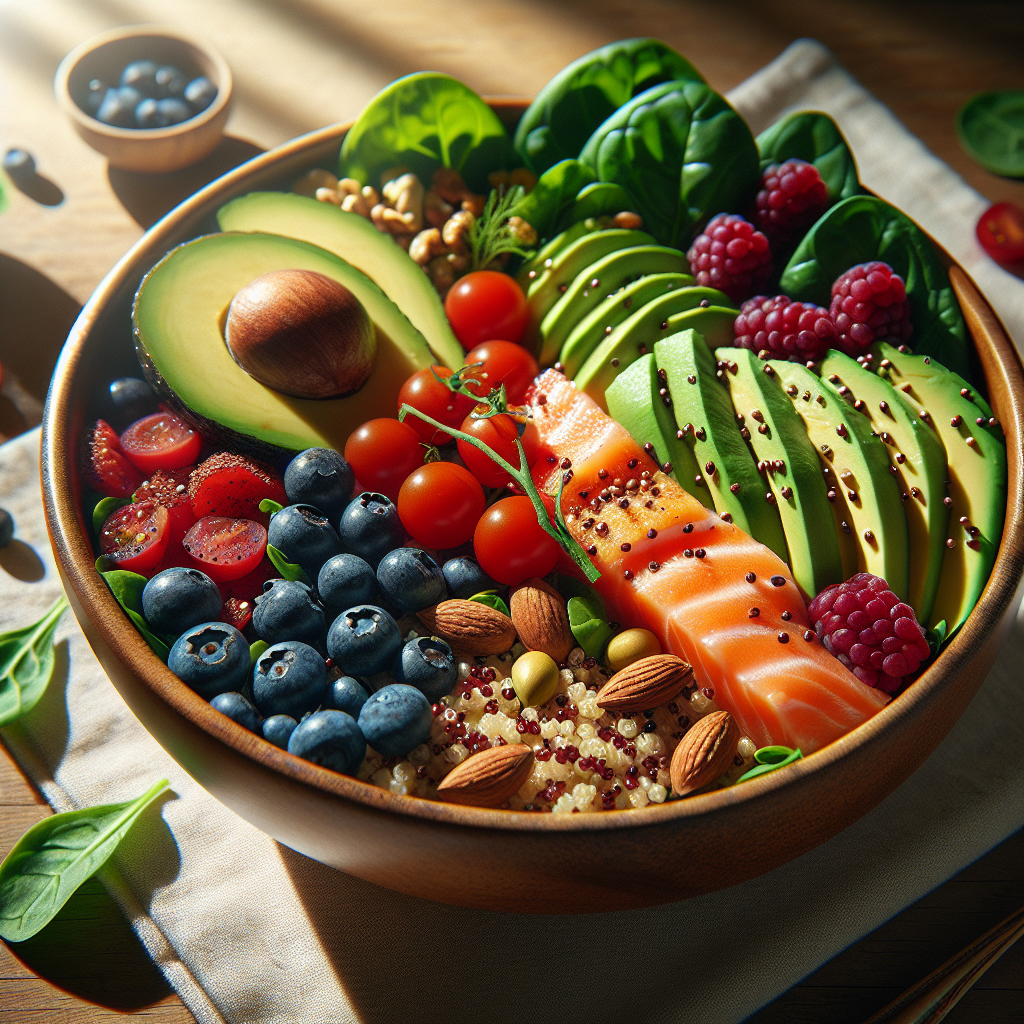
For breakfast, try Greek yogurt topped with berries, walnuts, and a drizzle of honey alongside whole grain toast with almond butter. Lunch could be a big salad with mixed greens, grilled chicken, chickpeas, cherry tomatoes, cucumber, and olive oil dressing. Dinner might include baked salmon, roasted sweet potato, and steamed broccoli with quinoa on the side.
Prep is essential for staying consistent. Dedicate two hours weekly to batch cooking proteins, chopping vegetables, and preparing grains. With components ready, you can throw together balanced meals in minutes. Stock your pantry with staples like canned beans, whole grains, olive oil, and spices.
Don’t stress about being perfect. One less-than-ideal meal won’t wreck your progress. Focus on making most of your choices align with these principles, and you’ll notice real improvements in energy, mood, and overall health. Life happens, and flexibility matters more than perfection.
Meal ideas don’t need to be complicated. Buddha bowls, stir-fries, sheet pan dinners, and overnight oats are all simple ways to combine nutritious ingredients without spending hours cooking. Simplicity often leads to better long-term results than complicated recipes you’ll never actually make.
Snacks matter too. Keep easy options available like apple slices with peanut butter, hummus with veggies, trail mix, or hard-boiled eggs. When healthy snacks are convenient, you’re way less likely to hit the vending machine or drive-through.
Smart Strategies for Young Adults
Eating well as a young adult comes with unique challenges—tight budgets, packed schedules, social pressures, and maybe limited cooking experience. But this guide to healthy foods works for your lifestyle with the right strategies. You don’t need to be a chef or rich to eat well.
Budget-friendly shopping matters when you’re managing student loans or entry-level pay. Buy generic brands, which often match name-brand quality at lower prices. Purchase dried beans and grains in bulk. Choose frozen fruits and vegetables when fresh costs too much. Plan meals around what’s on sale, and never shop hungry—you’ll buy stuff you don’t need.
Dorm room or tiny kitchen? No problem. Invest in a mini fridge, microwave, and electric kettle. Stock shelf-stable items like oatmeal, nut butter, whole grain crackers, canned tuna, and dried fruit. Make overnight oats, microwave eggs in a mug, or throw together no-cook meals like wraps and salads. A rice cooker is also clutch and costs like twenty bucks.
Social eating doesn’t have to derail your goals. When friends order pizza, grab a couple slices and pair them with a side salad you brought. At restaurants, don’t hesitate to customize orders—swap fries for vegetables, ask for dressings on the side, or request grilled instead of fried. Most places accommodate requests without making it weird.
Meal sharing with roommates saves money and time. Rotate cooking responsibilities, split grocery costs, and batch cook together on weekends. Make it social and fun rather than a solo chore. You’ll learn from each other and stay more consistent. Plus, cooking with friends is way more enjoyable than eating alone.
Time management is crucial when balancing classes, work, and social life. Study while your chicken roasts. Pack snacks before leaving home to avoid vending machine traps. Use commute time to mentally plan tomorrow’s meals. Small efficiencies add up big time.
Don’t let social media pressure you into extreme diets or expensive supplements. Most influencers are selling something. This guide to healthy foods focuses on accessible, science-backed nutrition that actually works for real life. You don’t need detox teas or $60 protein powders to be healthy.
Making It Stick: Real Talk About Consistency
The hardest part about eating well isn’t knowing what to do—it’s actually doing it consistently. Life gets hectic, you get exhausted, and sometimes you just crave comfort food. That’s completely normal and human. Progress isn’t about perfection.
The secret is making healthy eating as convenient as possible. Keep nutritious snacks visible and accessible. Pre-cut vegetables, hard-boiled eggs, nuts, and fruit should have prime real estate in your fridge. Hide junk food or better yet, don’t buy it in the first place. You can’t eat what isn’t there.
Find healthier versions of foods you already love. Like tacos? Use lettuce wraps or whole grain tortillas with grilled chicken, tons of vegetables, and avocado. Love pasta? Try chickpea or lentil pasta with marinara sauce and vegetables. You don’t need to give up everything you enjoy—just upgrade the ingredients.
Eat out strategically. Most restaurants offer healthier options if you actually look. Choose grilled over fried, ask for dressing on the side, and load up on vegetables. Don’t be scared to customize your order—you’re paying for it, so get what works for you. Chipotle bowls, Subway salads, and Panera’s healthy options are all solid choices.
Get your friends involved. Eating healthy becomes exponentially easier when your crew supports it. Cook together, try new recipes, or explore healthy restaurants as a group. Turn it into a social thing instead of something isolating. Friends who support your goals are the real ones.
Track how you feel, not just what you eat. Notice when you have more sustained energy, when your skin looks better, when you sleep more soundly. These wins matter infinitely more than any number on a scale. Focus on the positive changes you experience daily—better mood, clearer thinking, improved performance.
Remember that progress isn’t linear. Some weeks you’ll absolutely crush it, others you’ll struggle. What matters is getting back to your healthy habits without guilt or shame. Every single meal is a fresh opportunity to nourish yourself. One slip-up doesn’t erase all your progress. Just move forward.
Celebrate small wins. Made it through the week without fast food? That’s huge. Tried a new vegetable? Awesome. Cooked instead of ordering delivery? You’re killing it. Acknowledge your efforts because building new habits takes serious work.
Conclusion
Eating well doesn’t require giving up everything you love or making nutrition overly complicated. This guide to healthy foods shows that nourishing your body is about choosing whole, minimally processed options that provide the nutrients you need to actually thrive. When you prioritize colorful vegetables, quality proteins, healthy fats, and complex carbs, you’re not just eating—you’re actively investing in how your body performs and your long-term health.
Start with small, doable changes. Swap one processed snack for a whole food alternative. Add an extra serving of vegetables to dinner. Drink one more glass of water daily. These small shifts add up to major habits over time. You don’t need to overhaul your entire life overnight.
Your body responds quickly to better nutrition. Feed it well, and it’ll reward you with increased energy, better sleep, improved mood, and reduced disease risk. You now have the knowledge from this guide to healthy foods—it’s time to actually use it. Eat well, and truly live better. Your future self will thank you for the choices you make today.



Leave a Reply