Introduction: When Low Energy and Digestion Issues Are Linked
Many people feel tired more often than they expect to.
Not exhausted, but not fully energized either.
Alongside that fatigue, there are often subtle digestive signs:
- Feeling full but not satisfied
- Frequent snacking or sugar cravings
- Irregular digestion
- Energy dips after meals
These experiences are common, yet they’re rarely connected back to everyday food choices. Nutrition is often reduced to calories or single nutrients, while one key element is overlooked: fiber from real foods.
Fruits with naturally high fiber have been part of human diets for centuries. They don’t act as quick fixes, but they can support digestion, steady energy, and nutrient availability when eaten regularly as part of whole meals.
Understanding fiber through a real food nutrition lens helps explain why some people feel depleted even when they’re eating “enough.”
What Happens in the Body: Fiber, Energy, and Nutrient Flow (Simple Science)
Fiber doesn’t provide energy in the way carbohydrates or fats do. Instead, it supports the systems that allow energy to be produced and maintained.
The Digestive System
Fiber:
- Slows digestion
- Feeds beneficial gut bacteria
- Supports regular bowel movements
A well-functioning gut is closely linked to how effectively the body absorbs natural vitamins from food and minerals.
Blood Sugar Regulation
High-fiber fruits are associated with:
- Slower glucose absorption
- More stable energy after meals
- Fewer sharp highs and crashes
This matters because repeated blood sugar swings are often associated with fatigue and cravings.
The Gut–Brain Connection
The gut communicates with the brain through nerves, hormones, and metabolites produced by gut bacteria. Fiber plays a role here by shaping the gut environment that supports this communication.
When fiber intake is low, digestion may be less efficient, which can contribute to subtle nutrient deficiencies over time.
Natural Nutrients Involved (Always Food-First)
High-fiber fruits don’t just provide fiber. They also deliver food-based nutrients that work together.
Common nutrients involved include:
- Potassium – supports fluid balance and nerve signaling
- Magnesium – involved in energy metabolism and muscle relaxation
- Folate (naturally occurring) – supports cell renewal
- Vitamin C (food-based) – associated with iron absorption and tissue support
- Polyphenols & plant compounds – work alongside fiber in the gut
These are whole food vitamins, not isolated compounds. Their effects depend on digestion, meal context, and overall dietary patterns.
Fruits With the Highest Fiber (Whole, Traditional Sources)
Fiber content varies widely between fruits, especially when skins and seeds are included.
Below are fruits that have been traditionally valued for their fiber density and digestive support.
Raspberries
One of the highest-fiber fruits commonly eaten.
- Fiber is concentrated in the tiny seeds
- Traditionally eaten fresh or dried
- Often paired with meals or fermented foods
Blackberries
Similar to raspberries, with slightly different plant compounds.
- Dense in fiber and polyphenols
- Historically foraged and eaten seasonally
- Traditionally consumed whole, not juiced
Pears (With Skin)
Pears have been used for generations as gentle digestive support.
- Fiber is mainly in the skin
- Traditionally eaten ripe, not processed
- Often associated with satiety and meal balance
Apples (With Skin)
Apples are a classic example of traditional foods used daily.
- Contain pectin, a soluble fiber
- Historically eaten whole, raw or cooked
- Often paired with meals rather than alone
Figs (Fresh or Dried)
Figs have a long history in Mediterranean and Middle Eastern diets.
- Naturally high in fiber
- Traditionally eaten dried outside harvest season
- Often combined with nuts or seeds
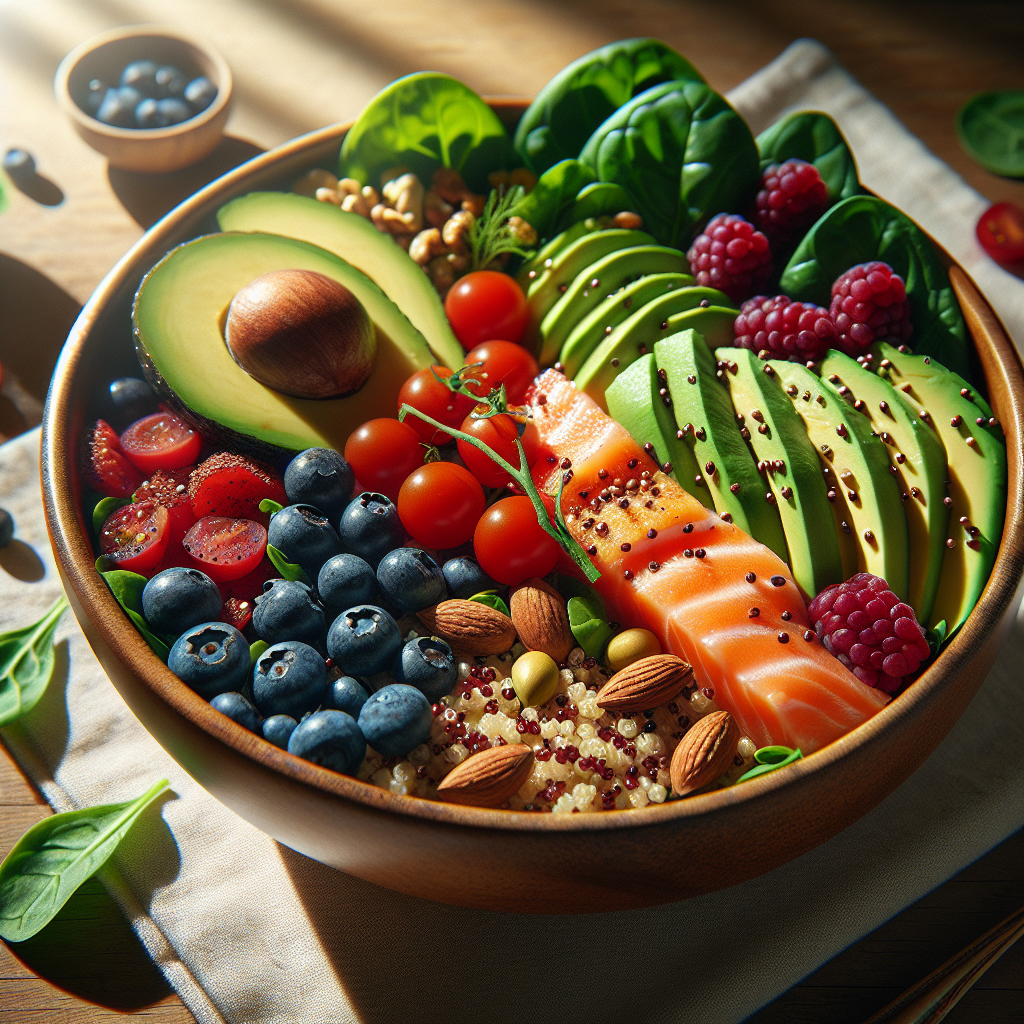
Avocado (Technically a Fruit)
Avocado is unique due to its fiber-fat combination.
- Supports satiety
- Slows digestion naturally
- Traditionally paired with meals, not snacks
These fruits were rarely eaten in isolation. They were part of meals that included roots, seeds, vegetables, and sometimes fermented foods.
Foods Used for Centuries: Fiber in Traditional Diets
Fiber didn’t come from powders or bars. It came from how food was grown, prepared, and eaten.
Traditional Fruit Consumption Looked Like:
- Whole fruits, not juices
- Seasonal availability
- Skins and seeds included
- Combined with meals
Cultural Examples
- Mediterranean diets paired figs and pears with nuts
- Northern European diets relied on apples and berries through winter
- Indigenous diets included wild berries rich in fiber and plant compounds
These combinations made sense nutritionally. Fiber slowed digestion, while minerals and fats from other foods supported absorption.
Why Food-Based Nutrients Work Differently Than Synthetic Vitamins
Fiber highlights one of the key reasons why synthetic vitamins don’t work the same way for everyone.
The Food Matrix Matters
Whole fruits contain:
- Fiber
- Vitamins
- Minerals
- Organic acids
- Plant compounds
These elements interact. Removing one changes how the others behave.
Cofactors and Synergy
For example:
- Fiber influences mineral absorption
- Vitamin C from fruit works alongside plant compounds
- Potassium and magnesium are naturally balanced
Isolated nutrients don’t replicate this complexity. That’s why natural sources of vitamins are often emphasized in traditional nutrition.
Modern Diet vs Traditional Diet
| Modern Pattern | Traditional Pattern |
|---|---|
| Fruit juices & smoothies | Whole fruits |
| Refined snacks | Fruit with meals |
| Fiber supplements | Fiber from food |
| Year-round sameness | Seasonal variety |
| Processed convenience | Simple preparation |
Modern diets often remove fiber unintentionally through processing. Over time, this may contribute to digestive inefficiency and subtle nutrient gaps.
Practical Daily Application: Simple, Realistic Habits
You don’t need dramatic changes to benefit from fiber-rich fruits.
Easy Food Swaps
- Whole apple instead of apple juice
- Berries added to meals, not just desserts
- Pear with lunch instead of a sweet snack
Simple Meal Ideas
- Oatmeal topped with raspberries and seeds
- Salads with sliced pear or apple
- Yogurt alternatives paired with berries and nuts
Grocery Tips
- Choose fruits you’ll eat whole
- Prioritize skins and textures
- Rotate varieties seasonally
These habits align with real food nutrition, not perfection.
Common Mistakes People Make
Relying on Fiber Add-Ons
Powders and bars often miss the broader nutrient context of food.
Eating “Healthy” but Low-Fiber Foods
Smoothies, juices, and refined snacks may look healthy but lack structure.
Ignoring Mineral Balance
Fiber works best when paired with mineral-rich foods, not isolated.
Traditional diets naturally balanced these elements through whole meals.
Summary: Fiber as Part of a Bigger Picture
Fruits with the highest fiber aren’t magic foods.
They’re foundational foods.
They support digestion, steady energy, and nutrient flow when eaten regularly, whole, and in context. They also remind us that nutrition isn’t about chasing individual nutrients, but about building meals that work together.
A food-first approach emphasizes:
- Whole fruits
- Traditional preparation
- Consistency over intensity
Awareness matters more than extremes.
A Gentle Closing Thought
If you want more insights into food-based nutrients, traditional dietary patterns, and practical ways to support everyday nutrition through natural vitamins from food, explore our educational resources and continue learning how whole foods have supported people for generations.




Leave a Reply