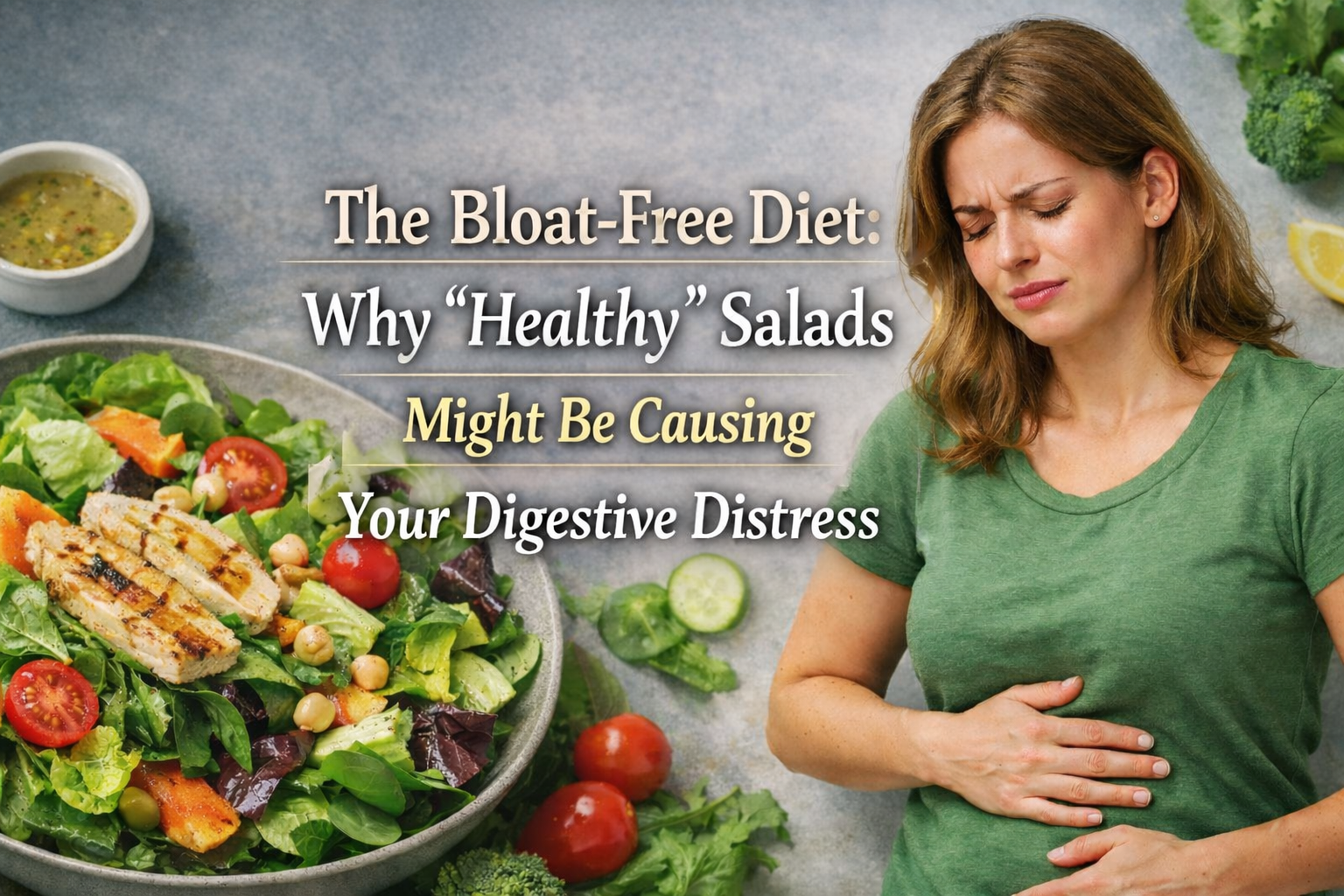
You eat a “healthy” salad for lunch, expecting lightness and energy—but by mid-afternoon, your stomach is swollen, gassy, and uncomfortable.
You’re not alone. Many people experience digestive distress despite eating what seems like the “perfect” diet. Surprisingly, even salads loaded with leafy greens, raw vegetables, and plant-based proteins can trigger bloating.
Understanding why your body reacts this way is the first step to a bloat-free diet—so you can enjoy healthy foods without discomfort.
Why Healthy Salads Can Cause Bloating
Not all salads are gentle on your digestive system. While vegetables are essential for health, certain compounds and habits can make them difficult to digest:
- High Fiber Content – Fiber is essential, but sudden increases or excessive amounts can create gas and bloating, especially cruciferous vegetables like broccoli, kale, and cabbage.
- Raw Vegetables – Raw foods require more digestive effort than cooked ones. Some people lack sufficient stomach acid or enzymes, making raw salads harder to break down.
- Legumes and Beans – Often added to salads for protein, beans contain oligosaccharides that feed gut bacteria, producing gas.
- Dressing Ingredients – Sugar, cream, or artificial sweeteners in dressings can disrupt digestion. Even large amounts of vinegar or citrus can irritate a sensitive stomach.
- Eating Speed and Portion Size – Eating too quickly or overeating leafy greens can introduce excess air and overwhelm your digestive system, triggering bloating.
How a Bloat-Free Diet Works
A bloat-free diet focuses on foods that are gentle on digestion while still nourishing your body. The goal isn’t restriction—it’s strategic selection and preparation of foods.
Key principles:
- Cook or lightly steam cruciferous vegetables to reduce gas-forming compounds.
- Combine fiber gradually, allowing your gut bacteria to adapt.
- Focus on easily digestible proteins such as fish, eggs, or tofu.
- Use simple dressings like olive oil and lemon to avoid digestive triggers.
- Practice mindful eating—chew thoroughly, eat slowly, and stop when satisfied.
Bloat-Free Diet: Salad Ingredients
1. Leafy Greens (Gentle Choices)
Not all greens are equal. Spinach, butter lettuce, and romaine are generally easier to digest than kale or cabbage. Start with smaller portions and increase gradually.
2. Cooked Vegetables
Steamed or roasted carrots, zucchini, pumpkin, and bell peppers maintain nutrients while reducing bloating potential.
3. Easy-to-Digest Proteins
Avoid large portions of beans in raw salads. Instead, try:
- Poached or grilled chicken
- Salmon or other fatty fish
- Soft tofu or tempeh
- Boiled eggs
These proteins reduce fermentation and gas formation.
4. Healthy Fats
Fats help absorb vitamins and improve satiety. Good options:
- Olive oil
- Avocado
- Nuts and seeds (small amounts)
5. Low-FODMAP Extras
Certain carbohydrates called FODMAPs (fermentable oligosaccharides, disaccharides, monosaccharides, and polyols) can trigger bloating. Consider adding:
- Cucumbers
- Zucchini
- Strawberries or blueberries
- Small servings of sweet potato
Common Salad Mistakes That Cause Digestive Issues
- Too Many Raw Ingredients at Once – Combine only a few raw vegetables per meal.
- High-FODMAP Beans Without Soaking – Soak and rinse beans before adding.
- Overeating Cruciferous Vegetables – Keep portions moderate; steam them if necessary.
- Heavy Dressings or Sauces – Stick to light, simple dressings.
- Drinking While Eating – Large amounts of liquid during meals can dilute digestive enzymes, slowing breakdown.
How to Build a Salad – Bloat-Free Diet
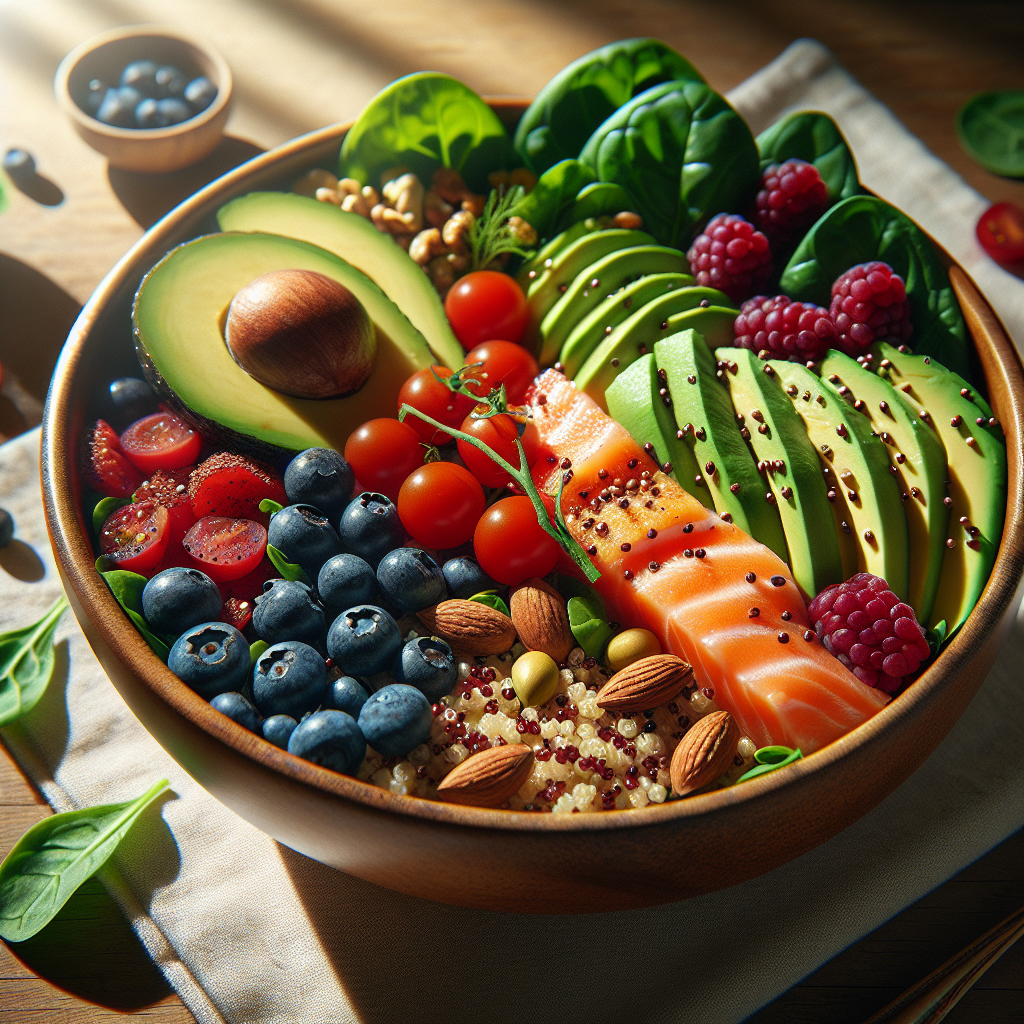
A simple, gut-friendly salad:
- 2 cups butter lettuce
- ½ cup steamed carrots
- ½ cup roasted zucchini
- 3–4 oz grilled salmon
- 1 tsp olive oil + lemon juice dressing
- 5–6 blueberries on top for antioxidants
This combination delivers fiber, protein, and healthy fats while minimizing digestive stress.
Tips for Reducing Bloating Beyond Salads
- Eat slowly and chew thoroughly.
- Include fermented foods like yogurt or kefir to support gut bacteria.
- Stay hydrated, but avoid gulping large amounts of liquid during meals.
- Reduce carbonated drinks and sugar alcohols.
- Listen to your body—not all “healthy” foods are suitable for every gut.
Final Thought
Eating a salad shouldn’t feel like a digestive gamble. A bloat-free diet is not about restriction or avoiding entire food groups—it’s about smart food selection, proper preparation, and mindful eating habits that work with your digestion, not against it.
Building a bloat-free diet starts with understanding your body’s tolerance. Some foods are nutritious but harder to digest when eaten raw, in large portions, or without adequate chewing. Cooking vegetables, soaking legumes, eating slowly, and balancing meals with protein and healthy fats can dramatically reduce digestive stress. These small adjustments support enzyme activity, gut motility, and overall comfort.
Food quality and timing matter just as much as food choice. Highly processed foods, rushed meals, and constant grazing can overwhelm digestion and increase bloating. In contrast, regular meals built around gentle, nutrient-dense foods allow your gut to do its job efficiently. Over time, a bloat-free diet helps reduce inflammation, improve nutrient absorption, and stabilize energy levels throughout the day.
The goal isn’t perfection—it’s consistency and awareness. When digestion feels supported, bloating fades into the background, energy improves, and eating becomes enjoyable again. A bloat-free diet allows your body to fully benefit from healthy foods without discomfort, making nourishment feel sustainable rather than stressful.
5 FAQ – Short & Clear Answers
1. Why am I bloated after eating salads?
High fiber, raw cruciferous vegetables, beans, or certain dressings can overwhelm digestion, causing gas and bloating.
2. Can I still eat kale and broccoli?
Yes, but steam or cook them first, and introduce them gradually to reduce bloating.
3. Are beans bad for a bloat-free diet?
Not necessarily. Soak, rinse, and cook them well, and combine with other low-FODMAP foods to minimize gas.
4. What’s the best protein for salads to prevent bloating?
Easy-to-digest proteins like grilled chicken, salmon, eggs, or tofu are ideal.
5. Can I prevent bloating by changing my eating habits?
Yes. Eating slowly, chewing thoroughly, drinking moderately, and combining gentle foods can significantly reduce bloating.





Leave a Reply