
Intro – The short answer first
Ozempic works by increasing GLP-1, a hormone that reduces appetite and slows digestion. What many people don’t realize is that your body already produces GLP-1 naturally, and certain foods—especially fiber and protein—can strongly stimulate it. You may not get drug-level effects, but you can improve satiety, blood sugar control, and weight regulation naturally.
This article explains how fiber and protein act as natural GLP-1 agonists, why they matter, and how to use them effectively—without medical claims or extremes.
What is GLP-1 (as Natural GLP-1 agonists)?
GLP-1 (glucagon-like peptide-1) is a gut hormone released after you eat. It helps regulate:
- Appetite and fullness
- Blood sugar response
- Digestive speed
- Insulin signaling
Pharmaceuticals like Ozempic mimic this hormone. Food can stimulate it naturally.
Why people are searching for Ozempic alternatives
Many people want:
- Appetite control without injections
- Fewer side effects
- A sustainable, food-based approach
- Long-term metabolic health
That’s where natural GLP-1 stimulation comes in.
How fiber acts as a natural GLP-1 agonists
Why fiber matters
Fiber isn’t digested in the small intestine. Instead, it reaches the colon, where gut bacteria ferment it—triggering GLP-1 release.
Key effects of fiber on GLP-1
- Slows digestion → longer fullness
- Blunts blood sugar spikes
- Signals satiety hormones
- Reduces hunger between meals
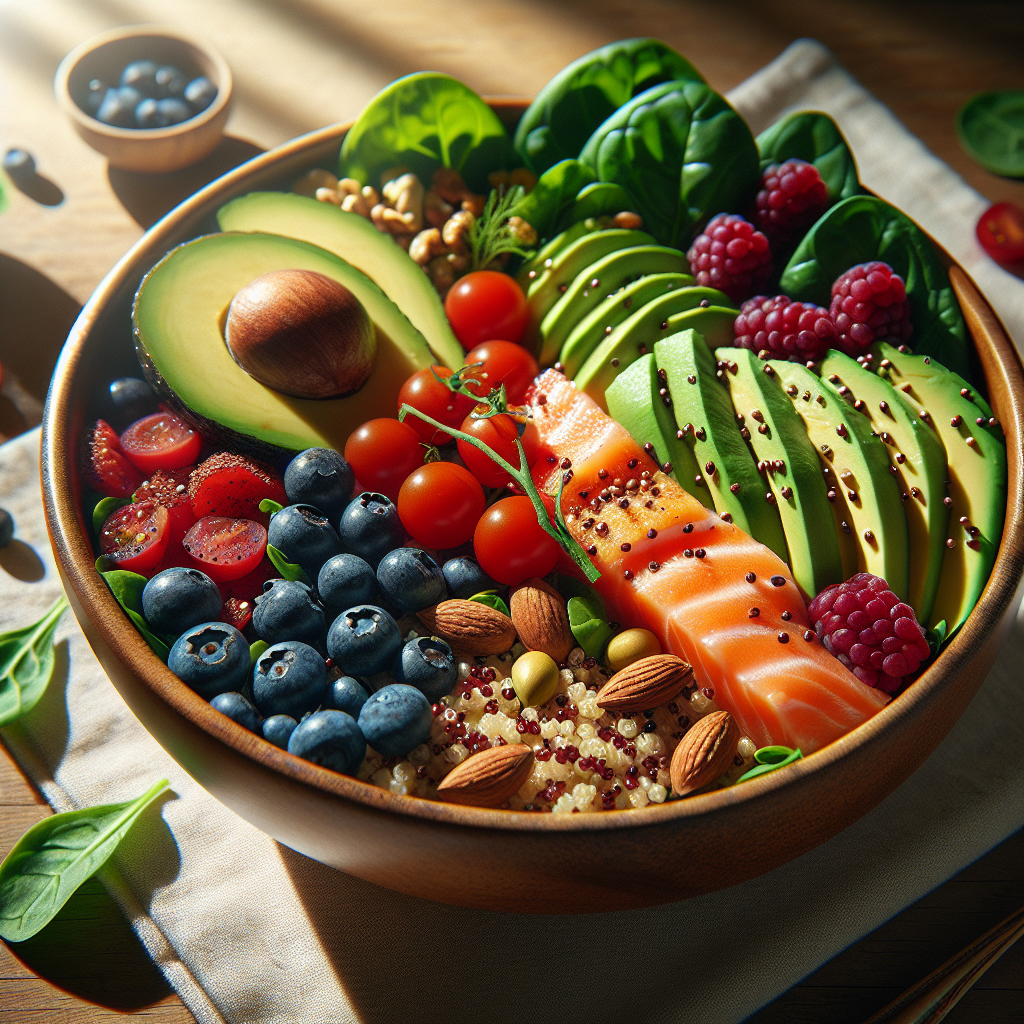
Best fiber sources for GLP-1 support
- Oats and barley
- Lentils and beans
- Vegetables (especially leafy greens)
- Berries
- Chia and flax seeds
Important: Fiber works best when increased gradually.
How protein stimulates GLP-1 naturally
Protein = satiety signal
Protein strongly activates gut hormones, including GLP-1 and PYY (another fullness hormone).
Benefits of protein-driven GLP-1 release
- Faster satiety
- Reduced cravings
- Stable post-meal energy
- Lower likelihood of overeating
High-quality protein sources
- Eggs
- Fish
- Lean meat
- Greek yogurt
- Tofu and tempeh
Protein at every meal is key.
Fiber + protein: the GLP-1 power combination
Fiber slows digestion. Protein signals fullness. Together, they:
- Prolong GLP-1 release
- Improve appetite regulation
- Support metabolic balance
This is why meals with only carbs tend to increase hunger shortly after.
Why natural GLP-1 stimulation is slower—but more sustainable
Medications deliver GLP-1 effects rapidly. Food-based stimulation:
- Works gradually
- Builds metabolic resilience
- Avoids dependency
- Supports gut health
Think training, not forcing, your hormones.
Everyday examples
- Breakfast: Eggs + vegetables
- Lunch: Lentils + olive oil + greens
- Snack: Greek yogurt + berries
- Dinner: Fish + vegetables + legumes
Simple meals. Powerful hormonal effects.
Common mistakes
- Eating fiber without protein
- Relying on supplements instead of meals
- Expecting instant appetite loss
- Ignoring sleep and stress (which blunt GLP-1)
Hormones respond to patterns, not hacks.
Scientific explanation (simplified)
GLP-1 (glucagon-like peptide-1) is a hormone that plays a central role in appetite regulation, blood sugar control, and metabolic health. While pharmaceutical GLP-1 drugs work by artificially stimulating this pathway, the body is also capable of activating it on its own through food and digestion—this is the basis of a Natural GLP-1 agonists approach.
When dietary fiber reaches the colon, it is fermented by gut bacteria into short-chain fatty acids (SCFAs) such as butyrate, acetate, and propionate. These compounds act as signaling molecules that activate specialized cells in the gut lining responsible for releasing GLP-1. This process enhances satiety, slows gastric emptying, and improves insulin sensitivity—without forcing the system.
Protein contributes through a complementary mechanism. As protein is digested in the small intestine, it stimulates nutrient-sensing receptors on gut cells, directly triggering GLP-1 secretion. This helps regulate appetite, supports lean mass maintenance, and improves post-meal glucose handling. Together, fiber and protein form the nutritional backbone of a Natural GLP-1 agonists strategy.
Gut health plays a crucial role in how effective this signaling becomes. A diverse microbiome improves SCFA production, strengthening GLP-1 release and metabolic communication. Stable blood sugar and reduced inflammation further enhance responsiveness, allowing these signals to work efficiently.
Unlike pharmacological interventions, a Natural GLP-1 agonists supports the body’s own regulatory systems rather than overriding them. Over time, this leads to improved satiety awareness, steadier energy levels, and better glucose control. When consistently supported through food quality and gut health, a Natural GLP-1 agonists approach aligns metabolism with biology—naturally and sustainably.
Conclusion – Practical takeaway
Ozempic works by activating GLP-1—but your body already has the tools to do this naturally. A Natural GLP-1 agonists approach leverages the foods and nutrients your body uses to regulate appetite, blood sugar, and metabolism. Fiber-rich vegetables, legumes, whole grains, and protein sources don’t override your biology—they act as a Natural GLP-1 agonists, signaling your gut and pancreas to respond efficiently to meals.
When these foods are consumed consistently, they help reinforce your internal satiety cues, slow digestion, and improve glucose handling. Over time, this supports metabolic balance and helps prevent the energy crashes, cravings, and hormonal fluctuations that often accompany inconsistent eating. A Natural GLP-1 agonists approach doesn’t promise instant results, but it strengthens the body’s natural regulatory systems, making appetite control and energy balance sustainable.
Gut health plays a crucial role in this process. A diverse microbiome enhances the production of metabolites that further stimulate GLP-1 release, meaning that foods and habits supporting gut diversity act as a Natural GLP-1 agonists in synergy with fiber and protein intake.
Food is not a shortcut—but it is the foundation. By focusing on whole, nutrient-dense foods that function as a Natural GLP-1 agonists, you are aligning with your body’s biology rather than forcing it. Over time, this creates a stable, resilient, and sustainable way to manage appetite, support metabolism, and improve overall health.
5 FAQ – Short & Clear Answers
Can fiber and protein replace Ozempic?
No. They don’t replicate drug-level effects, but they support similar hormonal pathways naturally.
How long does it take to feel appetite changes?
Many people notice reduced hunger within 1–2 weeks of consistent intake.
Do supplements work the same way?
Whole foods are more effective due to digestion timing and gut interaction.
Is more fiber always better?
No. Too much too fast can cause digestive discomfort.
Who benefits most from natural GLP-1 support?
People with cravings, overeating, energy crashes, or blood sugar swings.





Leave a Reply