
Intro – the short, honest answer
If your skincare routine is flawless but your skin still breaks out, looks dull, or feels inflamed, the problem may not be your products—it may be your gut. The gut–skin connection explains why digestion, gut bacteria, and diet quality directly influence inflammation, hormones, and skin renewal. No serum can fully compensate for a diet that constantly irritates your gut.
Great skin is not just topical. It’s systemic.
What is the Gut-Skin Connection?
The gut–skin connection describes how the health of your digestive system affects your skin through:
- Inflammation signaling
- Immune response
- Hormone balance
- Nutrient absorption
Your gut lining, microbiome (gut bacteria), and immune system constantly communicate with your skin. When digestion is stressed, inflamed, or imbalanced, the skin often becomes the visible outlet.
Your skin reflects what’s happening internally—often with a delay.
Why skincare alone often isn’t enough
Gut–skin connection explains that skincare works on the surface layer of the skin. But most skin issues originate deeper:
- Chronic inflammation
- Blood sugar instability
- Hormonal disruption
- Poor nutrient uptake
If these drivers are active, topical products may:
- Work briefly, then stop
- Reduce symptoms without fixing the cause
- Require constant switching or upgrading
This is why people often say: “Nothing works for my skin.”
How a poor diet disrupts skin health
1. Inflammation starts in the gut
Highly processed foods, excess sugar, alcohol, and refined oils irritate the gut lining. This can increase intestinal permeability, allowing inflammatory compounds to enter circulation.
The skin responds with:
- Acne
- Redness
- Sensitivity
- Premature aging
Inflamed gut → inflamed skin (Gut–Skin Connection).
2. Gut bacteria influence skin clarity
Your microbiome helps regulate immune reactions and inflammation. A low-diversity or imbalanced gut microbiome is linked to:
- Acne
- Rosacea
- Eczema-like symptoms
Ultra-processed diets reduce beneficial bacteria that protect skin balance.
3. Nutrient absorption affects skin repair
Even if you eat “healthy” sometimes, a stressed gut may not absorb key skin nutrients well, such as:
- Zinc
- Vitamin A
- B vitamins
- Omega-3 fats
Skin renewal slows when the building blocks aren’t delivered.
4. Blood sugar spikes trigger breakouts
Diets high in refined carbs and sugar cause rapid blood sugar swings. This leads to:
- Increased insulin
- Higher androgen activity
- More oil production
The result is clogged pores and inflammation—especially in acne-prone areas.
5. Hormones respond to gut health
The gut helps metabolize and eliminate hormones. When digestion is sluggish or inflamed, hormonal balance may shift, affecting:
- Breakouts around the jawline
- Cyclical acne
- Skin texture changes
Your skin often shows what hormones are doing behind the scenes.
Signs your gut may be affecting your skin
- Skin issues that don’t respond to skincare
- Breakouts after certain foods
- Bloating, irregular digestion, or discomfort
- Redness or sensitivity without clear triggers
- Skin flares during stress
These patterns point inward, not outward.
What actually supports the GutSkin connection
1. Eat for gut stability, not perfection
Skin-supportive eating focuses on consistency, not restriction.
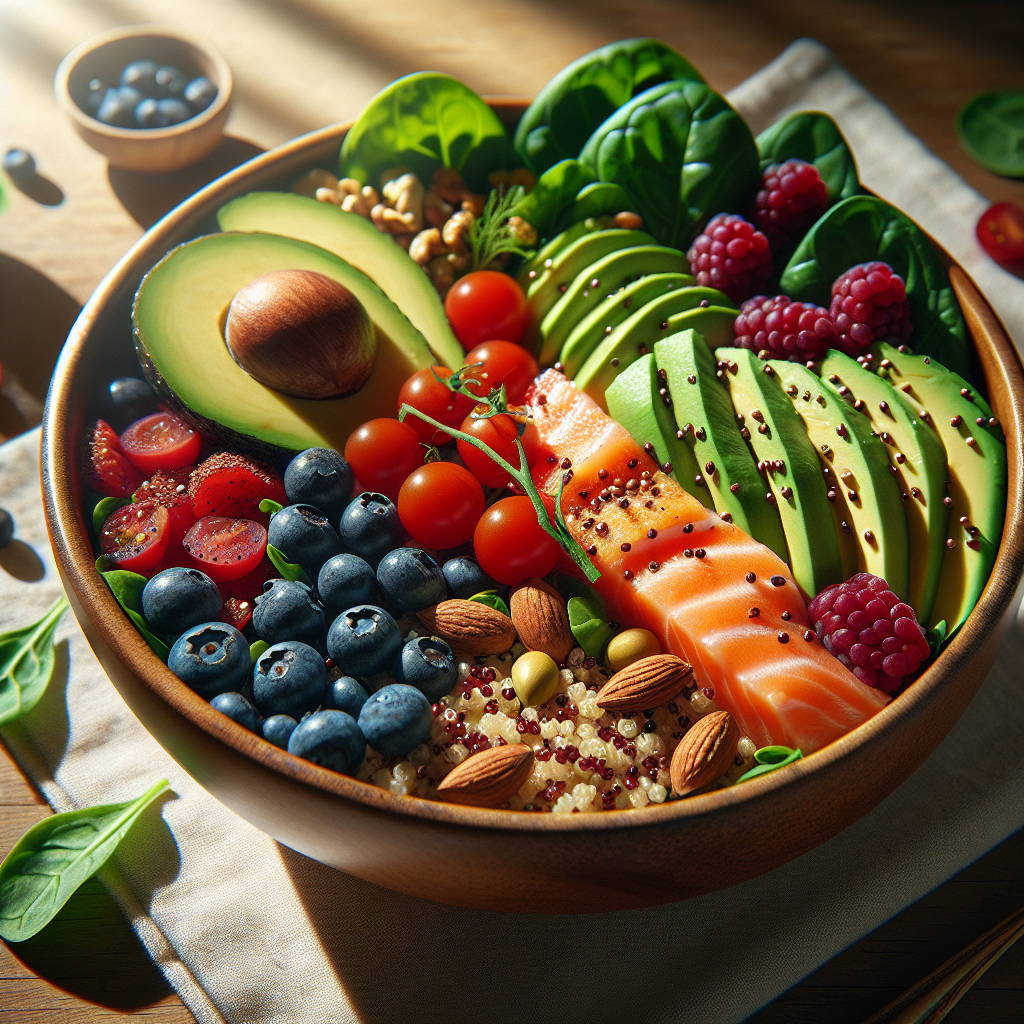
Helpful foundations:
- Whole foods over ultra-processed foods
- Protein at each meal
- Fiber from vegetables, legumes, and whole grains
- Healthy fats (olive oil, nuts, seeds)
2. Reduce inflammatory load
This doesn’t mean eliminating everything—it means reducing frequency.
Limit:
- Sugary drinks
- Ultra-processed snacks
- Excess alcohol
Less irritation = calmer skin signaling.
3. Support gut bacteria diversity
A diverse diet feeds diverse microbes.
Include:
- Different vegetables weekly
- Fermented foods (if tolerated)
- Fiber-rich plants
Microbial diversity supports immune balance that shows up on your skin.
4. Stabilize blood sugar
Balanced meals help prevent hormone-driven breakouts.
Aim for:
- Protein + fiber + fat per meal
- Fewer carb-only snacks
Stable energy = more stable skin.
5. Pair skincare with internal support
Skincare still matters—but it works best when the internal environment is calm.
Think of skincare as polish, not the foundation.
Common mistakes people make
- Blaming skincare alone
- Jumping from product to product
- Ignoring digestion symptoms
- Cutting foods randomly instead of improving quality
- Expecting overnight skin changes
Skin reflects weeks—not hours—of internal signals.
Gut–Skin Connection : Scientific explanation
A significant portion of the immune system is located in the gut, making digestive health a key regulator of inflammation throughout the body—including the skin. This relationship is known as the gut–skin connection, a communication network that links immune signaling, metabolism, and barrier health. The gut lining acts as a critical filter, determining what enters circulation and what stays out. When this barrier becomes inflamed or compromised, immune signaling can shift systemically, often affecting the skin.
Gut bacteria play a central role in the gut–skin connection. A healthy, diverse microbiome produces beneficial metabolites—such as short-chain fatty acids—that help regulate immune responses, support hormone balance, and maintain normal skin cell turnover. These compounds calm inflammation, strengthen the gut lining, and guide immune cells toward balanced responses rather than overactivation.
When the gut is irritated—by poor diet, chronic stress, antibiotics, or blood sugar instability—the microbial balance shifts. This disruption alters metabolite production and immune signaling, increasing systemic inflammation. Because the skin is a highly immune-responsive organ, it often reflects disturbances in the gut–skin connection through breakouts, redness, eczema, or delayed healing.
Hormones further influence the gut–skin connection. Gut microbes affect estrogen metabolism and cortisol regulation, both of which shape inflammation, oil production, and skin renewal. When gut function is compromised, hormonal signaling can become dysregulated, amplifying skin symptoms.
In short, the gut and skin are in constant communication. What irritates the gut often irritates the skin—and supporting the gut–skin connection is foundational for calm, resilient, and healthy skin.
Conclusion – the practical takeaway
If your skincare routine isn’t delivering the results you expect, the issue may not be the products—it may be the internal environment they’re working in. The gut–skin connection helps explain why diet quality, digestive health, and systemic inflammation have such a powerful influence on how your skin looks, heals, and ages.
Topical treatments can support the skin’s surface, but long-term skin health is built from the inside out. When digestion is impaired, inflammation is elevated, or nutrient absorption is compromised, even the best skincare products can fall short. Supporting gut health creates the biological conditions your skin needs to repair, renew, and maintain balance.
You don’t need a perfect diet or a rigid routine. What matters most is alignment—between what you eat, how your body processes it, and what your skin is trying to do. Small, consistent choices that reduce inflammation and support digestion can create visible changes over time.
Healthy skin isn’t about chasing flawless—it’s about creating an internal environment where your skin can function as it was designed to.
FAQ – Gut–Skin Connection
Can a bad diet really cancel out good skincare?
Yes. Internal inflammation and hormonal shifts can override topical benefits.
How long does gut health take to affect skin?
Skin changes often reflect dietary patterns over 2–6 weeks.
Do I need to cut out entire food groups?
No. Improving food quality and balance matters more than elimination.
Are probiotics necessary for better skin?
Not always. Whole foods that support gut diversity often help more.
What’s the first dietary change for better skin?
Stabilize blood sugar with balanced meals and reduce ultra-processed foods.





Leave a Reply