
Intro – the short answer first
Eating enough calories doesn’t guarantee your body is getting what it needs. Many people today consume more food than ever—yet feel tired, foggy, and nutritionally depleted. The problem isn’t always how much you eat, but what your calories are made of. This is why prioritizing nutrient density over calories is essential for energy, metabolism, and long-term health.
Understanding the importance of nutrient density over calories can transform your dietary choices.
This article explains how you can be overfed but undernourished—and how to fix it.
What does “overfed but undernourished” mean?
Making choices that emphasize nutrient density over calories can reduce cravings.
Being overfed but undernourished means:
- You consume plenty of calories
- But lack essential vitamins, minerals, and amino acids
- Your body has fuel, but not the tools to use it properly
Prioritizing nutrient density over calories helps combat feelings of fatigue and lethargy.
Highly processed foods deliver energy but very few micronutrients. Over time, this creates metabolic stress, not nourishment.
This highlights the necessity of nutrient density over calories in maintaining overall health.
Why calorie counting alone fails
Calories measure energy—but not nutritional quality.
To achieve optimal health, focus on nutrient density over calories in your meals.
Two meals with equal calories can have very different effects:
- A processed meal may spike blood sugar and leave you hungry
- A nutrient-dense meal supports energy, satiety, and repair
When the body lacks micronutrients, it may signal hunger even after eating enough calories.
Nutrient density over calories is vital for long-term vitality and wellbeing.
What nutrient density actually means
Nutrient density refers to how many essential nutrients you get per calorie.
Nutrient-dense foods provide:
Emphasizing nutrient density over calories ensures you meet your body’s true needs.
- Vitamins and minerals
- High-quality protein
- Healthy fats
- Fiber and phytonutrients
These nutrients are required for:
- Hormone production
- Energy metabolism
- Immune function
- Tissue repair
How ultra-processed foods drive undernourishment
1. They displace real food
Processed foods crowd out whole foods that naturally contain nutrients.
When you choose nutrient density over calories, you support your body’s essential functions.
2. They increase nutrient demand
Refined sugars and oils increase oxidative stress, raising nutrient requirements.
3. They impair absorption
Additives and poor gut health reduce how well nutrients are absorbed.
The result: more eating, less nourishment.
Signs you may be undernourished despite eating enough
- Constant fatigue
- Brain fog
- Cravings shortly after meals
- Poor stress tolerance
- Slow recovery from exercise or illness
These aren’t always calorie problems—they’re nutrient problems.
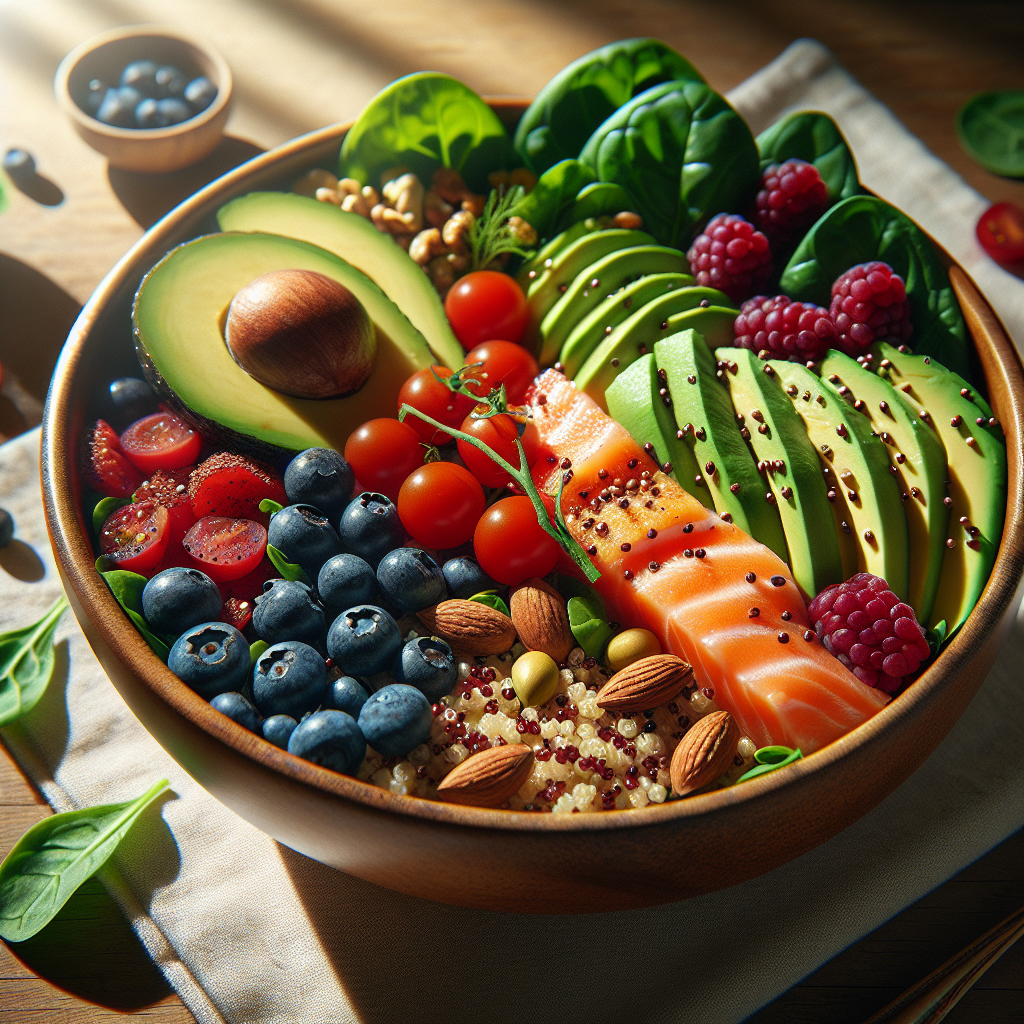
Foods that deliver high nutrient density
Eating with a focus on nutrient density over calories fosters better health outcomes.
1. Protein-rich whole foods
Eggs, fish, dairy, legumes, and lean meats provide amino acids plus micronutrients.
2. Vegetables (especially leafy greens)
Low in calories, high in vitamins, minerals, and fiber.
3. Fruits with strong color
Berries and citrus provide antioxidants and bioactive compounds.
4. Healthy fats
Olive oil, nuts, seeds, and fatty fish support hormone and cell function.
5. Fermented and minimally processed foods
Focusing on nutrient density over calories is a key to achieving better metabolic health.
Support gut health and nutrient absorption.
Protein-rich whole foods exemplify nutrient density over calories effectively.
Vegetables should be a staple for those prioritizing nutrient density over calories.
For sustained energy and health, prioritize nutrient density over calories in your diet.
How to eat for nutrient density over calories
Fruits rich in color can easily fit into a diet that values nutrient density over calories.
You don’t need perfection—just better structure.
Practical strategies:
Fermented foods also contribute to a focus on nutrient density over calories.
- Build meals around protein and vegetables
- Use whole foods as the base
- Limit ultra-processed foods to occasional use
- Focus on food quality before portion control
When nutrient needs are met, appetite naturally regulates.
Ultimately, choosing nutrient density over calories leads to a more fulfilling diet.
Everyday examples
- A large bag of chips vs. a balanced meal with vegetables and protein
- A sugary breakfast cereal vs. eggs and fruit
- Snacking all day vs. structured, nutrient-dense meals
The calorie count may be similar—but the outcome is not.
Common mistakes
- Cutting calories without improving quality
- Relying on fortified processed foods
- Assuming hunger means you need more food
- Ignoring gut health
More food isn’t the answer when the body is missing key nutrients.
The science (simplified)
Micronutrients—vitamins, minerals, and other essential compounds—act as cofactors in thousands of metabolic reactions that keep your body running smoothly. They are critical for producing energy, supporting hormone signaling, repairing cells, and maintaining overall health. Without adequate micronutrients, these processes become less efficient, even if you are consuming plenty of calories.
This is one of the reasons why ultra-processed foods, though often calorie-dense, can leave you feeling depleted. They provide energy in the form of sugars, refined grains, and fats, but they usually lack the essential cofactors your body needs to convert that energy into usable fuel. Over time, relying on these foods can create a state of “hidden malnutrition,” where your body has enough calories but not enough nutrients to perform optimally.
This is why nutrient density matters far more than raw calorie numbers. Eating foods rich in vitamins, minerals, fiber, and phytonutrients—like vegetables, legumes, nuts, seeds, and whole grains—ensures that your body has the tools it needs to function at its best. Quality fuels function, not just quantity, and choosing nutrient-dense foods can help you feel energized, support recovery, and maintain long-term health, regardless of the number of calories you consume.
Ultimately, when it comes to sustainable energy and vitality, what’s inside your food matters as much—or more—than how much you eat.
Conclusion – practical takeaway
If you feel tired, foggy, or unsatisfied despite eating enough, it’s time to shift the focus from quantity to quality. Nutrient density over calories isn’t a diet—it’s a principle. When your food delivers what your body actually needs, energy improves, cravings ease, and health becomes easier to maintain.
Eat less noise. More nourishment.
5 FAQ – Short & Clear Answers
Can you be overweight and undernourished?
Yes. Body weight doesn’t reflect nutrient status.
Do I need to stop counting calories completely?
Not necessarily—but quality should come first.
Are fortified foods enough?
They help, but don’t replace whole-food nutrition.
Does nutrient density help with cravings?
Yes. Adequate nutrients improve appetite regulation.
Who benefits most from focusing on nutrient density?
Anyone experiencing low energy, cravings, or poor metabolic health.





Leave a Reply